
أخبار عاجلة

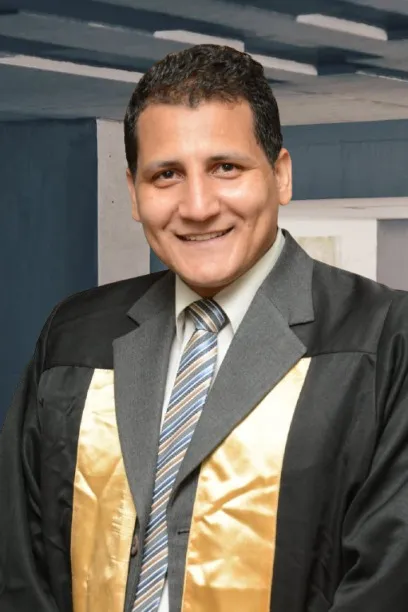
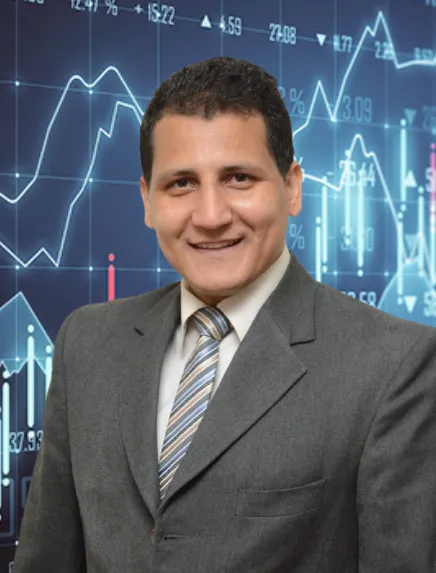
Professor Ali Gamal Abdel gawad : The Federal Reserve Holds Interest Rates Steady at First Meeting Under Kevin Warsh.
The Federal Reserve Holds Interest Rates Steady at First Meeting Under Kevin Warsh
At its meeting on June 17, 2026, the U.S. Federal Reserve decided to keep interest rates unchanged for the fourth consecutive time, at a range of 3.50% to 3.75%, a move widely anticipated by financial markets and economic analysts. This was the first meeting under the leadership of the new Federal Reserve Chairman, Kevin Warsh, who assumed office amidst escalating economic and geopolitical challenges.
The Federal Open Market Committee (FOMC) statement indicated that the U.S. economy continues to enjoy robust growth despite ongoing global uncertainty, partly related to geopolitical developments and the conflict in the Middle East. The statement also affirmed that productivity and capital investment continue to achieve strong growth rates, supporting economic activity and enhancing the U.S. economy's resilience to external challenges.
In the labor market, the Fed noted that job growth remains consistent with the expansion of the labor force, while the unemployment rate has not seen significant changes recently, reflecting the continued relative equilibrium in the U.S. job market.
Despite these positive indicators, the US Federal Reserve confirmed that inflation remains above its 2% target, noting that some of the current inflationary pressures stem from supply shocks that have led to price increases in certain economic sectors. The committee emphasized its continued commitment to price stability and gradually returning inflation to its target levels.
One of the most significant changes in the current statement is the removal of previous references to the possibility of future interest rate cuts. Many analysts interpreted this move as reflecting a more cautious approach from the new Fed administration. This suggests that policymakers prefer to wait for more economic data before taking any steps toward monetary easing.
Overall, the decision to hold interest rates steady reflects the Fed's continued wait-and-see approach, given a relatively strong economy on the one hand, and persistent inflationary pressures and geopolitical risks on the other. Financial markets are expected to closely monitor upcoming economic data to assess the likely path of US monetary policy during the second half of 2020.
اترك تعليقًا
آخر المقالات




اشترك في النشرة الإخبارية
احصل على آخر الأخبار في صندوق البريد الوارد الخاص بك

اشترك في النشرة الإخبارية
الأكثر مشاهدة
عرب

نماذج مشرفة
فن

أخبار مصر

المؤشرات
-
- سياسة
- أعمال
- إقتصاد
- العالم
- رياضة
- صحة
- علوم
- منوعات
- المعرض
- الصور
- الفيديو
- أزياء
- أخبار مصر
- محافظات
- مقالات
- فن
- عاجل
- حوادث
- مطبخ
- مرأة
- ثقافة
- ديني
- تعليم
- عرب
- جامعات
- طقس
- اشعار وخواطر
- بنوك
- برقيات
- شركات
- سيارات
- أدب
- أسواق
- أخبار
- حوار
- أحزاب
- نماذج مشرفة
- تقارير وتحقيقات
- قضايا
- تصريح
- العملات
- صناديق المؤشرات
- الاسهم
- العملات الرقمية
- شهادات
- السندات
- صناديق
- المؤشرات
- السلع
- التضخم
- تحليل أخبارية
- إتصل بنا
التعليقات الأخيرة