
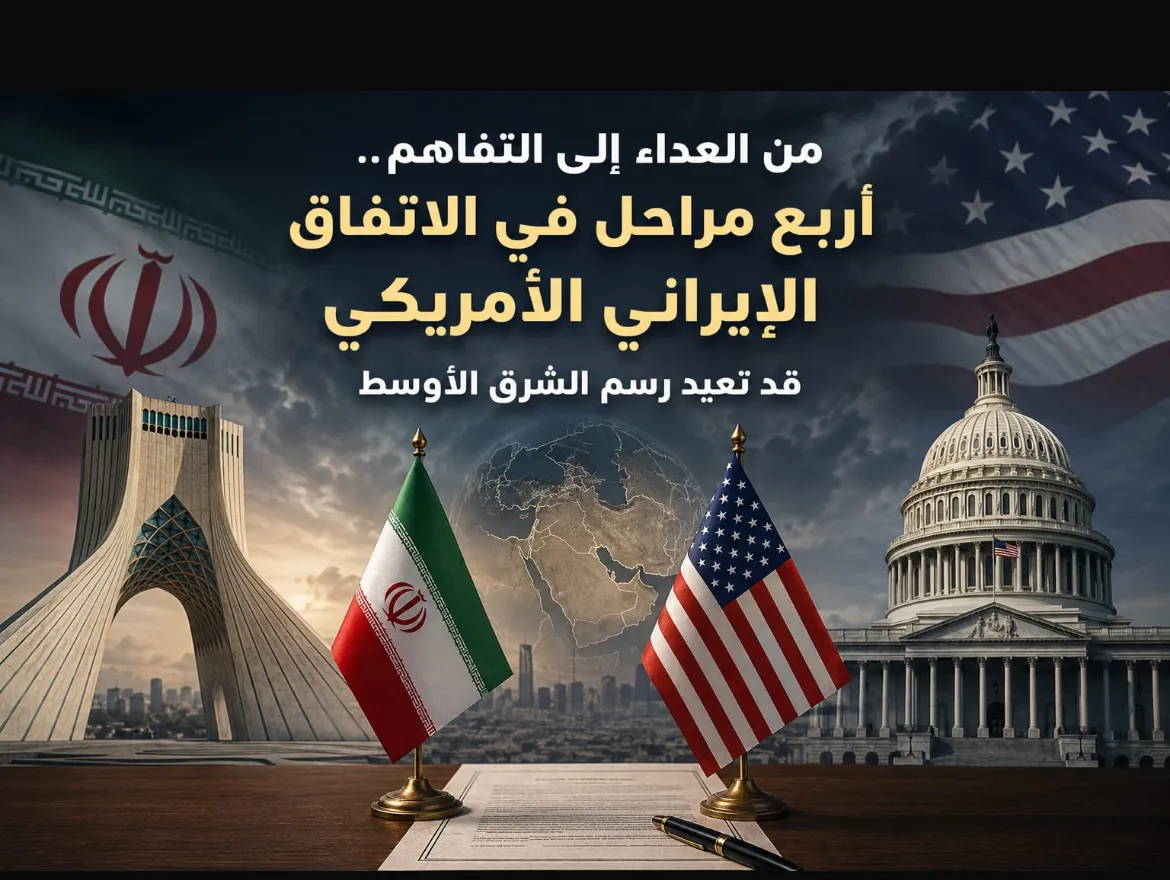
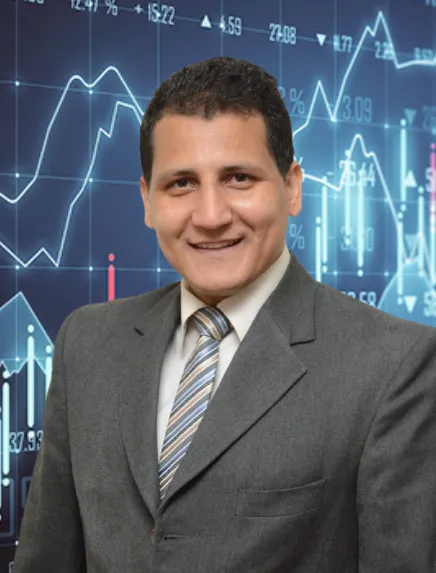
Dr. Magdy Kamel ElHewary Writes : From Hostility to Understanding: Four Stages of the Iranian-American Agreement That Could Reshape the Middle East .
For more than four decades, relations between the United States and Iran have fluctuated between escalation and de-escalation, sanctions and secret diplomatic messages. Today, discussions have once again intensified about a new agreement that could become one of the most significant developments in the history of relations between the two countries.
This agreement is not merely about lifting sanctions or freezing parts of Iran's nuclear program; it could potentially reshape the balance of power and influence throughout the Middle East.
Political observers believe that any comprehensive Iranian-American agreement is likely to move through four major stages, each paving the way for the next.
Stage One: De-escalation and Confidence Building
The first stage begins with reducing military and political tensions between the two sides and reopening direct and indirect channels of communication.
Confidence-building measures may include prisoner exchanges, humanitarian initiatives, and limited economic relief designed to create a positive environment for serious negotiations.
This stage is often considered the most difficult because it requires both parties to move beyond years of mutual distrust.
Stage Two: Easing Economic Sanctions
During this phase, the United States may grant limited sanctions relief, particularly in areas related to oil exports and financial transactions.
In return, Iran would agree to reduce uranium enrichment levels and return to internationally accepted limits.
This stage serves as a practical test of each side's willingness to honor its commitments while safeguarding its strategic interests.
Stage Three: International Monitoring and Revival of the Nuclear Agreement
This stage represents the core of the agreement.
Iran's nuclear facilities would be subject to extensive monitoring by the International Atomic Energy Agency (IAEA), including inspections and technical oversight mechanisms.
In exchange, Iran would gain broader economic benefits, including increased foreign investment, expanded international trade opportunities, and access to previously frozen financial assets.
Stage Four: A Long-Term Peaceful Nuclear Framework
The fourth and most sensitive stage focuses on establishing a permanent framework for Iran's nuclear program.
This framework would define acceptable uranium enrichment levels, regulate the number and type of centrifuges, establish long-term monitoring procedures, and provide guarantees that the program remains exclusively peaceful and not directed toward the development of nuclear weapons.
In return, Iran would receive international recognition of its right to maintain a peaceful civilian nuclear program for energy production, scientific research, and technological development, while most remaining economic sanctions would be removed.
Will the Agreement Succeed?
Despite optimism surrounding any rapprochement between Washington and Tehran, significant challenges remain.
Regional powers continue to watch developments carefully, concerned about possible shifts in the strategic balance of the Middle East. Furthermore, decades of mistrust mean that any agreement could face serious tests during future political or military crises.
Nevertheless, if all four stages are successfully implemented, the agreement could reduce tensions across the Gulf region, strengthen global energy market stability, and open a new chapter in Middle Eastern diplomacy.
The ultimate question remains:
Will this agreement mark the end of one of the longest-running political rivalries in modern history, or will it prove to be only a temporary truce before another cycle of confrontation begins?
Only time will provide the answer
Dr. Magdy Kamel ElHewary Writes : From Hostility to Understanding: Four Stages of the Iranian-American Agreement That Could Reshape the Middle East
.
اترك تعليقًا
آخر المقالات



اشترك في النشرة الإخبارية
احصل على آخر الأخبار في صندوق البريد الوارد الخاص بك

اشترك في النشرة الإخبارية
الأكثر مشاهدة
نماذج مشرفة

فن
عرب

أخبار مصر
المؤشرات
-
- سياسة
- أعمال
- إقتصاد
- العالم
- رياضة
- صحة
- علوم
- منوعات
- المعرض
- الصور
- الفيديو
- أزياء
- أخبار مصر
- محافظات
- مقالات
- فن
- عاجل
- حوادث
- مطبخ
- مرأة
- ثقافة
- ديني
- تعليم
- عرب
- جامعات
- طقس
- اشعار وخواطر
- بنوك
- برقيات
- شركات
- سيارات
- أدب
- أسواق
- أخبار
- حوار
- أحزاب
- نماذج مشرفة
- تقارير وتحقيقات
- قضايا
- تصريح
- العملات
- صناديق المؤشرات
- الاسهم
- العملات الرقمية
- شهادات
- السندات
- صناديق
- المؤشرات
- السلع
- التضخم
- تحليل أخبارية
- إتصل بنا
التعليقات الأخيرة